Showing posts with label colleges. Show all posts

Monday, July 12, 2021

Review Of What Colleges Have Spring Break In March Ideas

Colleges Canceled Spring Break, But Students Are Traveling Anyway
Colleges Canceled Spring Break, But Students Are Traveling Anyway from www.wuft.org

If you're a college student or planning a trip with college-aged kids, one of the most important questions you may have is "What colleges have spring break in March?" Spring break is a time to relax, unwind, and have some fun before the final stretch of the school year, and knowing which colleges have their break in March can help you plan your own getaway.

Spring break can be a stressful time for college students, especially if they don't know when their break is. Many students have to balance their academics with part-time jobs, internships, and other responsibilities, so having a week off to recharge is crucial. However, not all colleges have their spring break at the same time, and this can lead to confusion and frustration for students who want to plan trips or visit friends at other schools.

The good news is that there are plenty of colleges that have their spring break in March. Some schools have a set week off every year, while others have a floating break that can vary from year to year. It's important to check with your specific college or university to find out when their spring break is scheduled.

Personal Experience with Spring Break in March

When I was in college, my school had its spring break in March. It was a much-needed break from classes, and many students took advantage of the time off to go on vacation or visit friends at other schools. I remember planning a trip to a popular beach destination with my friends, and it was a great way to relax and have some fun before the end of the semester.

Having spring break in March also meant that the weather was starting to warm up, which made it even more enjoyable. We were able to spend our days lounging on the beach, swimming in the ocean, and soaking up the sun. It was the perfect way to recharge and come back to school feeling refreshed and ready to tackle the rest of the semester.

What is Spring Break in March?

Spring break in March is a designated week off for college students that typically falls in the month of March. It is a time for students to take a break from their studies and enjoy some time off before the end of the school year. Spring break is often associated with trips to popular beach destinations, but it can also be a time for students to visit family, volunteer, or simply relax at home.

Many colleges and universities schedule their spring break in March to coincide with the warmer weather and to give students a chance to recharge before the final stretch of the semester. It is a highly anticipated time for students, as it provides a much-needed break from classes and a chance to have some fun and make lasting memories.

History and Myth of Spring Break in March

The history of spring break dates back to the early 20th century, when college students would take a break from their studies to travel to popular beach destinations. The tradition of spring break in March has grown over the years, with more and more colleges and universities adopting the practice of scheduling their break during this time.

There are also many myths and misconceptions surrounding spring break in March. One common myth is that all college students spend their break partying and drinking excessively. While some students do choose to indulge in these activities, many others use the time off to relax, travel, or engage in community service projects.

Hidden Secrets of Spring Break in March

While spring break in March is often associated with beach trips and partying, there are also hidden secrets that can make your break even more enjoyable. One secret is to plan your trip early to take advantage of the best deals on flights and accommodations. Another secret is to choose a destination that offers a mix of relaxation and adventure, so you can tailor your break to your preferences.

Additionally, it's important to remember that spring break is not just about the destination, but also about the people you spend it with. Whether you're traveling with friends, family, or a significant other, the memories you create together will last a lifetime.

Recommendations for Spring Break in March

If you're planning a spring break trip in March, here are some recommendations to make the most of your break:

  1. Research destinations that offer a variety of activities and attractions.
  2. Book your accommodations and flights in advance to secure the best prices.
  3. Create a budget for your trip and stick to it.
  4. Pack essentials such as sunscreen, beach towels, and comfortable clothing.
  5. Plan activities and excursions in advance to make the most of your time.
  6. Stay hydrated and take breaks to rest and recharge.
  7. Be respectful of the local culture and environment.
  8. Stay safe and look out for your friends and travel companions.

Spring Break in March and Related Keywords

Spring break in March is a popular topic among college students and their families. It is a time for relaxation, fun, and making memories. Whether you're planning a beach trip, visiting family, or taking part in a service project, spring break in March offers a chance to take a break from the demands of college life and enjoy some time off.

Tips for a Successful Spring Break in March

Here are some tips to help you have a successful spring break in March:

  1. Plan your trip well in advance to secure the best deals on flights and accommodations.
  2. Research your destination and create a list of activities and attractions you want to experience.
  3. Set a budget for your trip and stick to it.
  4. Pack essentials such as sunscreen, beach towels, and comfortable clothing.
  5. Stay hydrated and take breaks to rest and recharge.
  6. Be mindful of your safety and the safety of those around you.
  7. Have a backup plan in case of unexpected weather or travel delays.
  8. Take time to relax and enjoy the moment – spring break is a time to unwind and have fun!

Conclusion of Spring Break in March

Spring break in March is a highly anticipated time for college students. It provides a much-needed break from classes and a chance to relax, travel, and make lasting memories. Whether you're planning a beach trip, visiting family, or taking part in a service project, spring break in March offers a variety of opportunities to have fun and recharge before the end of the semester. So, if you're wondering which colleges have spring break in March, do your research and start planning your own getaway!

Sunday, July 11, 2021

The Best Are Colleges Free In New York References

The best colleges in New York State, ranked by U.S. News & World Report
The best colleges in New York State, ranked by U.S. News & World Report from www.newyorkupstate.com

Attention all aspiring college students in New York! Are you tired of the high cost of tuition? Are you wondering if colleges in New York are actually free? Well, you've come to the right place. In this article, we will explore the topic of whether colleges are free in New York and provide you with all the information you need to know. So, let's dive in and find out the truth!

For many students, the cost of college tuition is a major burden. It can be incredibly expensive and often leads to massive student loan debt. This financial strain can deter many individuals from pursuing higher education. However, in recent years, there has been a growing movement towards making college education more accessible and affordable. This has led to the creation of various programs and initiatives aimed at providing free or reduced-cost education to students.

The answer to the question of whether colleges are free in New York is both yes and no. While it is true that New York has implemented several programs to make college more affordable, it is important to understand the specifics of these programs. One such initiative is the Excelsior Scholarship, which provides tuition-free education at public colleges and universities in New York for eligible students. However, this program has certain eligibility requirements and limitations, so it may not be available to everyone.

Free College Programs in New York

One of the most well-known programs in New York is the Excelsior Scholarship. This program was introduced in 2017 and aims to provide tuition-free education to New York residents attending public colleges and universities in the state. To be eligible for the Excelsior Scholarship, students must meet certain criteria, such as income requirements, residency requirements, and credit completion requirements. It is important to note that the Excelsior Scholarship only covers tuition costs and does not include other expenses such as room and board or textbooks.

Another program in New York that offers free college education is the New York Tuition Assistance Program (TAP). TAP provides grants to eligible students attending approved colleges in New York. The amount of the grant depends on factors such as income, family size, and the college attended. While TAP does not cover the full cost of tuition, it can significantly reduce the financial burden for students.

In addition to these programs, there are also various scholarship opportunities available to students in New York. These scholarships can be based on academic merit, financial need, or other criteria. It is important for students to research and apply for scholarships to further reduce the cost of college education.

Myth and Reality of Free College in New York

There is a common misconception that all colleges in New York are completely free. While there are programs in place to make college more affordable, it is important to understand the limitations and eligibility requirements of these programs. It is also worth noting that not all colleges in New York participate in these programs, so it is important to research and find out which colleges offer free or reduced-cost education.

Another myth surrounding free college in New York is that it is available to everyone. While the Excelsior Scholarship and other programs aim to make college more accessible, they still have certain eligibility requirements. Students must meet these requirements to be eligible for free or reduced-cost education. It is crucial for students to understand these requirements and determine if they qualify for these programs.

The Hidden Secret of College Affordability

While the idea of free college education may seem appealing, it is important to consider the long-term implications. Free college programs often come with certain conditions and requirements. For example, students may be required to maintain a certain GPA or fulfill a service obligation after graduation. It is important for students to carefully consider these conditions and determine if they are willing and able to meet them.

Additionally, the availability of free college programs may vary depending on the state and institution. While New York has made significant strides in making college more affordable, other states may have different programs or no programs at all. It is important for students to explore all available options and consider factors such as location, program offerings, and financial aid opportunities when choosing a college.

Recommendations for College Affordability

While free college programs can be a great option for some students, they may not be the right fit for everyone. Here are some recommendations for making college more affordable:

  1. Research scholarships: There are numerous scholarships available to students based on various criteria. Take the time to research and apply for scholarships that you may be eligible for.
  2. Consider community college: Community colleges often have lower tuition rates compared to four-year universities. Starting at a community college and then transferring to a four-year institution can help save money.
  3. Explore financial aid options: Fill out the Free Application for Federal Student Aid (FAFSA) to determine your eligibility for federal grants and loans. Additionally, research and apply for state-specific financial aid programs.
  4. Work part-time or attend college part-time: Working part-time while attending college or taking fewer classes per semester can help reduce the financial burden.

Understanding College Affordability

College affordability is a complex issue with no one-size-fits-all solution. It is important for students to consider their individual circumstances, goals, and financial situation when making decisions about college. While free college programs can provide opportunities for many students, they may not be the right fit for everyone. It is crucial for students to explore all available options and make informed decisions about their education.

Tips for Making College More Affordable

Here are some tips to help make college more affordable:

  • Create a budget and stick to it.
  • Apply for financial aid early.
  • Consider attending a community college before transferring to a four-year university.
  • Take advantage of tax credits and deductions for education expenses.
  • Look for part-time work or internships to help offset costs.
  • Consider living off-campus or with roommates to reduce housing expenses.
  • Borrow responsibly and only take out loans that you absolutely need.

Conclusion of College Affordability in New York

In conclusion, while colleges in New York are not completely free, there are programs and initiatives in place to make college more affordable for students. Programs such as the Excelsior Scholarship and the New York Tuition Assistance Program provide opportunities for eligible students to receive free or reduced-cost education. However, it is important for students to understand the eligibility requirements and limitations of these programs. Additionally, exploring other options such as scholarships, financial aid, and part-time work can further contribute to making college more affordable. Ultimately, it is crucial for students to carefully consider their individual circumstances and make informed decisions about their education.

Cool How Many Colleges Are Division 1 2023

Men's Colleges In The United States How Many Colleges Are In Indiana
Men's Colleges In The United States How Many Colleges Are In Indiana from howinforme.blogspot.com

Are you curious about how many colleges are Division 1? Well, you're not alone. With so many college options out there, it can be overwhelming to figure out which ones fall into this category. In this article, we will explore the answer to this question and provide you with some helpful information along the way.

When it comes to choosing a college, there are many factors to consider. One of the most important considerations is the division level of the school's athletic program. Division 1 colleges are known for their competitive sports programs and often offer scholarships to student-athletes. However, not all colleges fall into this category, and understanding how many colleges are Division 1 can help you narrow down your options.

So, how many colleges are Division 1? As of 2023, there are 357 Division 1 colleges in the United States. These schools are members of the National Collegiate Athletic Association (NCAA) and are known for their high level of competition in sports such as football, basketball, and soccer. They offer athletic scholarships to student-athletes and have strict eligibility requirements to maintain their Division 1 status.

The Target of How Many Colleges are Division 1

Now that we know the answer to the question, let's dive deeper into the topic of how many colleges are Division 1. Understanding the significance of Division 1 colleges can help you make informed decisions about your college choices.

Division 1 colleges are often sought after by student-athletes who aspire to compete at the highest level in their sport. These schools provide opportunities for athletes to showcase their skills and potentially earn scholarships. Additionally, Division 1 colleges often have top-notch facilities, coaching staff, and resources to support their athletic programs.

However, it's important to note that Division 1 colleges aren't just for athletes. These schools also offer a wide range of academic programs and opportunities for non-athletes. Whether you're interested in pursuing a degree in business, engineering, or the arts, there are Division 1 colleges that can meet your academic needs.

What is How Many Colleges are Division 1?

Now that we have a general understanding of how many colleges are Division 1, let's delve into the specifics. Division 1 is the highest level of intercollegiate athletics in the NCAA. It is known for its competitive sports programs and high level of competition.

Division 1 colleges are categorized based on the size and scope of their athletic programs. These schools often have large student populations and offer a wide range of sports for both men and women. They compete against other Division 1 schools in conferences and tournaments, striving for championships and national recognition.

The History and Myth of How Many Colleges are Division 1

The history of Division 1 colleges dates back to the early 20th century when the NCAA was formed to regulate and govern college athletics. Over the years, the number of Division 1 colleges has grown, reflecting the increasing popularity and importance of college sports in the United States.

There is a common myth that Division 1 colleges are only focused on athletics and have lower academic standards compared to other divisions. However, this is not true. Division 1 colleges are required to meet specific academic standards set by the NCAA, and many of these schools have rigorous academic programs and high graduation rates.

The Hidden Secret of How Many Colleges are Division 1

While the number of Division 1 colleges is widely known, there is a hidden secret that not everyone may be aware of. Some colleges that are not traditionally considered Division 1 schools have recently transitioned or are in the process of transitioning to Division 1 status.

This transition can be a lengthy and complex process that involves meeting certain criteria and gaining approval from the NCAA. These colleges see the benefits of competing at the Division 1 level and are willing to invest the time and resources necessary to make the transition.

Recommendation of How Many Colleges are Division 1

If you're considering attending a Division 1 college or are interested in learning more about these schools, here are a few recommendations:

1. Research the schools: Take the time to research different Division 1 colleges and their athletic programs. Look for schools that align with your academic and athletic goals.

2. Visit the campuses: If possible, visit the campuses of the Division 1 colleges you're interested in. This will give you a firsthand look at the facilities, campus life, and academic programs.

3. Talk to current students and athletes: Reach out to current students and athletes at Division 1 colleges to get their perspective on the school and their experiences. They can provide valuable insights that can help you make an informed decision.

How Many Colleges are Division 1 and Related Keywords

In addition to the 357 Division 1 colleges, there are other divisions within the NCAA, including Division 2 and Division 3. Each division has its own set of rules and regulations regarding scholarships, eligibility, and competition level.

Division 2 colleges offer a slightly lower level of competition than Division 1 but still provide opportunities for student-athletes to compete at a high level. Division 3 colleges do not offer athletic scholarships but offer student-athletes the opportunity to participate in sports while pursuing their academic goals.

Understanding the different divisions within the NCAA can help you navigate the college selection process and find the right fit for your athletic and academic aspirations.

Tips of How Many Colleges are Division 1

Here are a few tips to keep in mind when considering Division 1 colleges:

1. Start early: If you're interested in competing at the Division 1 level, it's important to start the recruiting process early. Coaches often begin scouting potential athletes during their high school years.

2. Maintain academic eligibility: Division 1 colleges have strict academic eligibility requirements. Make sure you're staying on top of your academics and meeting the necessary standards to be eligible to compete.

3. Consider your goals: Think about your long-term goals and what you hope to achieve through college athletics. Do you want to compete at the highest level and potentially play professionally, or are you more interested in balancing your athletics with your academics?

Fun Facts of How Many Colleges are Division 1

Did you know that some Division 1 colleges are known for their unique traditions and mascots? For example, the University of Alabama's football team, the Crimson Tide, is known for its passionate fan base and iconic "Roll Tide" chant. Meanwhile, the University of Oregon's football team, the Ducks, is known for its flashy uniforms and innovative style of play.

These fun facts add to the excitement and culture surrounding Division 1 colleges and make them even more appealing to prospective students and athletes.

How to How Many Colleges are Division 1

If you're interested in finding out how many colleges are Division 1, you can easily access this information online. The NCAA website provides a comprehensive list of all Division 1 colleges, including their locations and athletic conference affiliations.

You can also consult college ranking websites and guides that provide information on the best Division 1 colleges in terms of both academics and athletics. These resources can help you narrow down your options and find the right fit for your college journey.

What If How Many Colleges are Division 1

If there were no Division 1 colleges, the landscape of college athletics would look very different. Division 1 colleges provide opportunities for student-athletes to compete at a high level and showcase their skills to potentially earn scholarships and professional opportunities.

Additionally, Division 1 colleges contribute to the overall college experience by fostering school spirit, promoting healthy competition, and providing entertainment for students, alumni, and fans.

Listicle of How Many Colleges are Division 1

Here are some notable Division 1 colleges to consider:

  1. University of Alabama
  2. University of Texas
  3. University of Southern California
  4. Stanford University
  5. University of Notre Dame

These schools have a rich history of athletic success and offer a wide range of academic programs to choose from.

Question and Answer about How Many Colleges are Division 1

Q: Are all Division 1 colleges large universities?

A: No, there are Division 1 colleges of all sizes, from small private schools to large public universities.

Q: Can non-athletes attend Division 1 colleges?

A: Absolutely! Division 1 colleges offer a wide range of academic programs and opportunities for non-athletes.

Q: Do all Division 1 colleges offer full athletic scholarships?

A: While many Division 1 colleges offer athletic scholarships, not all sports have full scholarships available. Scholarships are distributed based on the sport's funding and NCAA regulations.

Q: Can Division 1 college athletes go professional?

A: Yes, many Division 1 college athletes go on to have successful professional careers in their respective sports.

Conclusion of How Many Colleges are Division 1

In conclusion, there are 357 Division 1 colleges in the United States. These schools offer a high level of competition in sports and provide

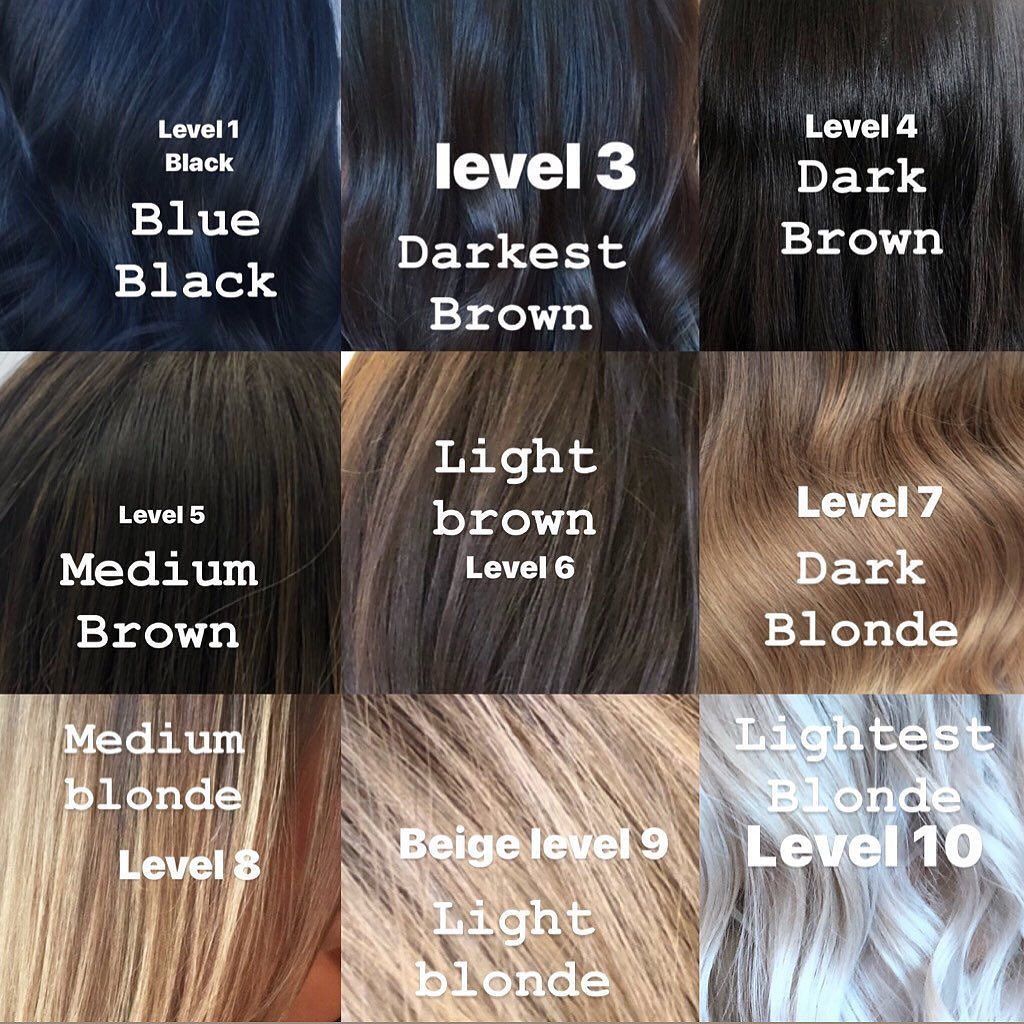
101 Hair Color Chart Guide with Hair Levels and Tones Explained

Table Of Content What color is my hair? Conclusions Extra Light Cold Ash Blonde 10.1b Conclusion: Embrace the Beauty of Level 8 Hair Color H...